Private sessions
Different ways of working. One shared approach.
Every person arrives with a different story, and not every situation calls for the same kind of work. There are three ways of working here, and what they share is systemic: we look at you in the context of the relationships and the history around you. Together we find the one that best fits where you are now.


Private sessions
Three kinds of session
Different questions need different work. The sessions and the practitioners are below, and if you're unsure where to begin, ask us.
Therapy
Therapy for individuals, couples and families. For what feels difficult today, and for the patterns that have been with you much longer.
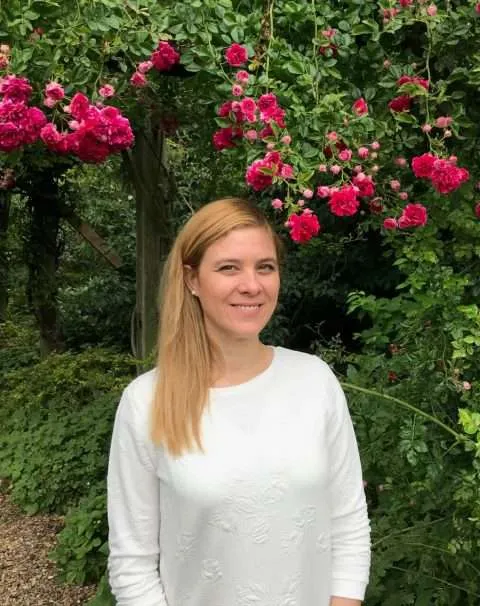 With Cecilia Altieri
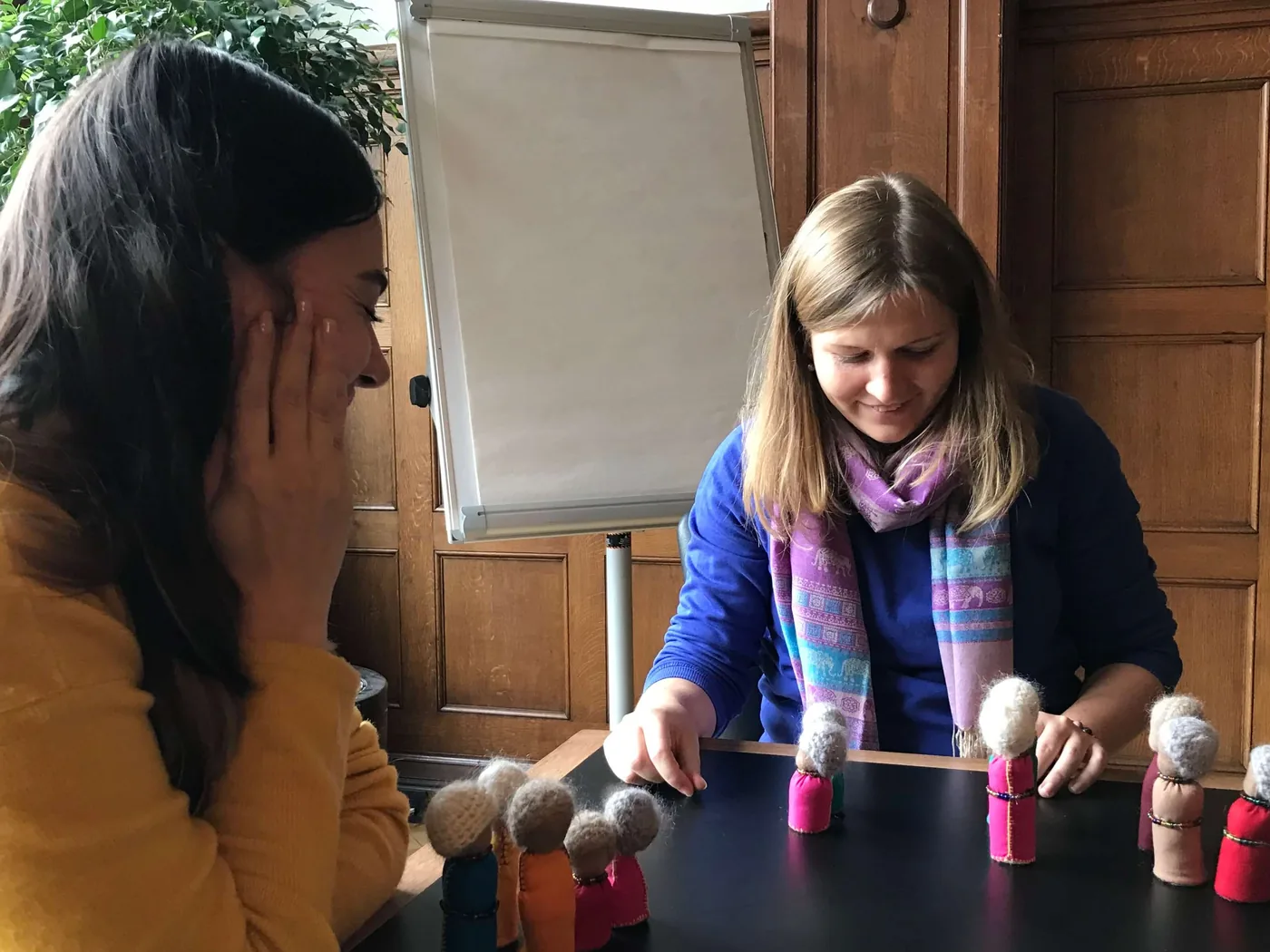
 Family constellations
Explore a question by making your situation visible, and take it from there.



 With 5 practitioners
 Sound therapy
Specially treated music, listened to at home over short sessions, for a nervous system that needs a shift.
With Cecilia and Anca What brings people here
What a session is
A sister you have not spoken to properly in four years. The same argument returning in a new relationship. A loss you thought you had set down, still shaping the decisions you make today. A symptom you can’t seem to overcome. A decision at work that will not come clear however long you think it over.
What happens in a therapy session
You bring what is heavy at the moment, and we work with it directly: what happened, what it set in motion, and what it still asks of you now. Cecilia uses different approaches, based on your needs.
Your family and your history stay in the room, because they are usually part of what you are describing. Cecilia is a therapist as well as a facilitator, and this is her clinical work.
The tension at my work was growing worse and worse… To my surprise, the constellation highlighted my grand-parents' helpless suffering under the Soviet regime. The emotions were strong, yet Cecilia guided me through them skilfully and compassionately. From that day on, the fear at work disappeared, just as the stomach pain before unit meetings. For the first time ever, I was able to voice my boundaries in a constructive way.
Before you come
What to expect, and how to prepare
Two short reads that walk you through the practical side. Nothing is required of you before a first session.
Questions people actually have
The things people really ask
Which session is right for me?
What if I don’t know where to start?
Is this therapy?
Can I come if I am already seeing a therapist?
Do I need a diagnosis or a referral?
Can I change to a different kind of session later?
Will I have to talk about everything?
What if I cry?
What if nothing happens?
How many sessions will I need?
How long is a session?
How much does it cost?
How do I pay?
Will my insurance or my mutuality pay any of this back?
Can I book a particular practitioner?
What if the practitioner I want has a waiting list?
What if I need to cancel?
Can I get an invoice?
Which languages can I work in?
Do you work in my time zone?
What do I need for an online session?
Where are you in Brussels?
Not sure who or what is the right match for you? You’re welcome to write before deciding anything, with a question of your own.
What are you looking for?
1 / 2
Your message reaches our practice coordinator, who passes it to the right practitioner.
Looking for a different path?
Find what works for you
Online anywhere, or in person in Brussels. If you already know which session you want, book it. If you do not, ask us and we will work it out with you.
See the kinds of sessionScope and safety
The right support at the right time
Sessions support change in how you live, relate and decide. They sit alongside medical and psychological care, and they do not replace it.
If you are in crisis right now, or you are having thoughts of harming yourself, please turn first to your doctor, to a crisis line where you live, or to the emergency services. If you are being treated for a psychiatric condition, or you have questions about medication, that care belongs with your prescriber, and our work can run alongside it.
If you are unsure where to start, ask us. We will tell you honestly whether this is the right support for you now.